Twin Screw Extruder
A twin screw extruder that easily produces fish/shrimp/crab feed, cat food, dog food, and more.
High performance, easy to clean, fully customizable – making your production more flexible and reliable.
Capacity
0.5-12T/H
Power
55-355 KW
Twin Screw Extruder FOR SALE
Aquaculture’s booming lately! And that means twin screw extruders have been more and more used in various aquatic feed pellet machine and large aquatic feed aquaculture plants.
In order to meet the market demand, RICHI Machinery just launched a brand-new SPHS series twin screw extruder. The sold twin screw extruder can not only process materials with high oil content, but also process raw materials with fresh meat paste.
Now, you’ll find this series of twin screw extruders cranking out feed for pets, fish, and shrimp everywhere.
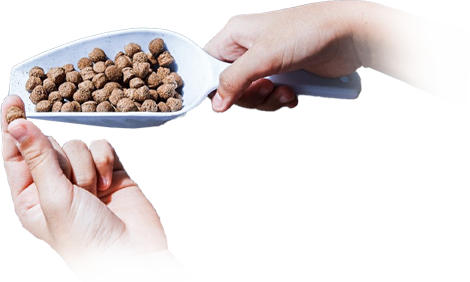
Twin Screw Extruder Types
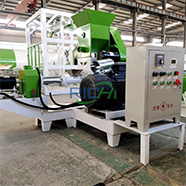
RICHI twin screw extruder machine consists of screw feeder, regulator and an extrusion system. The extrusion system extrude the material under the action of the screw, and the formed particles are extruded from the mold, and then cut into finished feed pellets of the required length by the cutter.
It can meet the production needs of various types of feed, such as various fish feed pellet twin screw extruders, shrimp feed pellet twin screw extruders, dog food twin screw extruders, cat food twin screw extruders, etc.

Twin Screw Extruder Machine
For Fish Feed
Various fish feed pellets can be produced according to the feeding needs of fish, such as trout feed pellets, sturgeon feed pellets, herring feed pellets, etc.

Twin Screw Extruder Machine
For Shrimp Feed
RICHI twin screw extruder can produce high-end sinking shrimp feed pellets to meet the feeding needs of shrimp farms.

Twin Screw Extruder Machine
For Pet Food
Twin screw extruders, sprayers, drying machines, etc. can work together to produce pet food of various flavors to meet the purchasing needs of pet owners.
Twin Screw Extruder Applications
When you need stable product quality, want to expand your product line, or have to quickly change how things are made, this machine helps your factory work more efficiently and gives you more flexibility.
Suitable Raw Materials
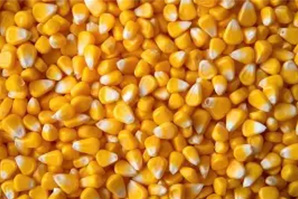
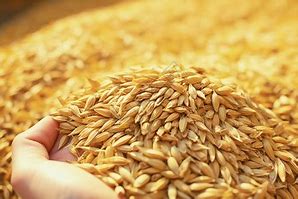
Whether it’s damp fish meal, sticky soybean meal, or crumbly corn flour, it gets the job done reliably. For farmers, that means no more worrying about varied raw materials or seasonal changes—you can focus on mixing up the perfect formula for your fish, keeping the feed quality consistent all the time.
corn
wheat

bean
bran
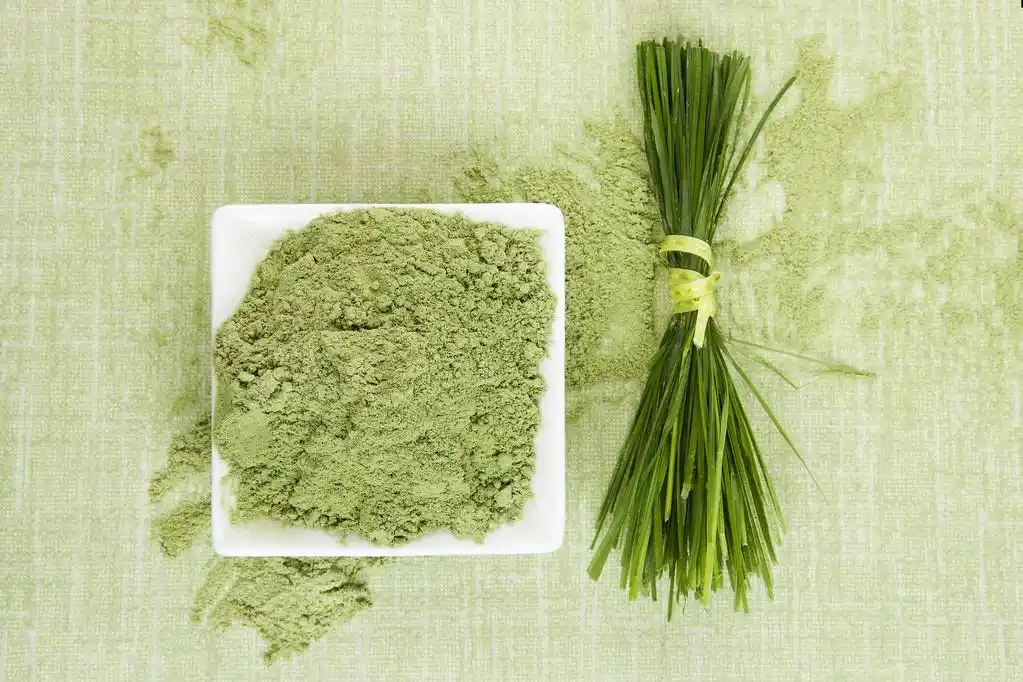
grass meal
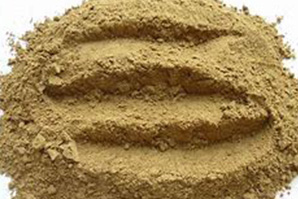
meat and bone meal
Suitable Animals
This machine is incredibly versatile. It can produce nutritious feed suitable for fish, shrimp, cats, dogs, birds, rabbits and foxes… Also, it can create specialty products like food for ornamental fish, fishing bait, and even specialized feed for young fish fry.

flatfish

eel
sea bass
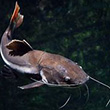
catfish

crab

penaeus shrimp

dog

cat
Applicable Scenarios
The powerful and flexible twin screw extruder can handle many different feed production situations. It’s the ideal choice for anyone who wants high-quality processing results.
24/7 live customer support
Clearly describe your information needs
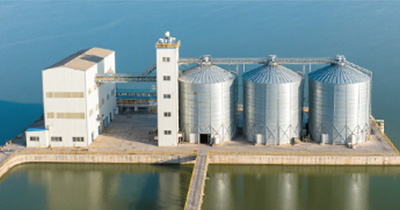
Large-scale Fish Feed Factory
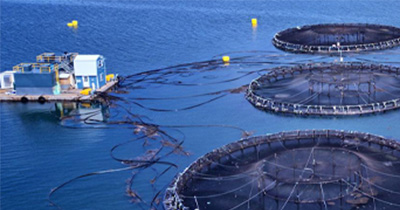
Professional Aquaculture Farms

Pet Feed Processing Plants

Angel Investors

Technical Features of Twin Screw Extruder

01
Compatible with a wide variety of raw materials
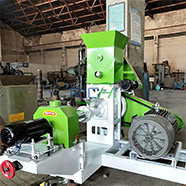
Can process various high-moisture raw materials. Because there is no extra dehydration, nutrients will not be lost, and you can easily make high-energy feed.
02
High-Standard Accessories
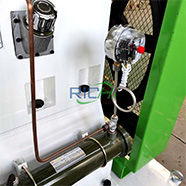
Utilizing top-tier international brand components, such as SKF bearings, Siemens motors, and spring steel cutters, ensuring smoother operation and lower noise levels.
03
Fully Automatic
Control
The entire machine adopts automatic control system, and one person can operate multiple devices at the same time, with almost no manual intervention from feeding to cutting.

04
Reduced Energy Consumption
Use steam heat energy instead of mechanical energy to cook raw materials, which reduces the energy consumption of mechanical friction heat generation, effectively reduces the power consumption per ton.
Twin Screw Extruder Models & Parameters
Using twin screw extruder to produce high-quality, low-consumption feed for aquatic, pets, and livestock has become a goal pursued by many feed manufacturers.
Here are six twin screw extruder models with production capacities ranging from 1 to 12 tons per hour. Come and have a look at the detailed parameters and choose the one that suits you best! Of course, if these standard models don’t fully meet your production plans, we also offer custom machines.
| Model | Capacity (T/H) | Main Power (KW) | Dia. of Screw (mm) | Matching Feeder Model power | Matching Differential Conditioner Model Power |
| SPHS120*2 | 1~2 | 75 | 120 | WLQ219×1200-1.5kw | DDC400/300/244-11kw |
| SPHS120 * 2 (6.61.6*4M 6T | 3~4 | 90 | 120 | WLQ219×1200-1.5kw | DDC400/300/244-11kw |
| SPHS150*2 | 4~5 | 160 | 150 | WLQ219×1300-1.5kw | DDC500/300/244-11kw |
| SPHS 150 * 2 (82*4.3M 8T) | 6~7 | 200 | 150 | WLQ219×1300-1.5kw | DDC500/300/244-11kw |
| SPHS185*2 | 8~10 | 315 | 185 | WLQ219×1300-1.5kw | DDC500/300/300-15kw |
| SPHS185*2 | 10~12 | 355 | 185 | WLQ219×1300-1.5kw | DDC500/300/300-15kw |

1-2 T/H Twin Screw Extruder for Sale
Suitable for the feed production in small feed mills and aquaculture plants. It can soften material fibers, improve gelatinization, reduce power consumption, and increase productivity.

3-4 T/H Twin Screw Extruder for Sale
It can produce 1-6 mm fish feed pellets and pet feed pellets. The number and speed of the cutters can be adjusted to suit the production of different extruded aquatic and pet feed pellets.

5-6 T/H Twin Screw Extruder for Sale
Multi-screw coaxial extrusion, the feed rate is obviously improved, the discharge process is smoother and the particle uniformity is better. The twin-screw extruder with this output is the best seller, and customers often ask us about the twin-screw extruder with this output range.

7-8 T/H Twin Screw Extruder For Sale
The feeder, twin screws, and cutter are all frequency-controlled, and the feeding speed, screw speed and cutting speed can be adjusted. It can process all kinds of raw materials.

9-10 T/H Twin Screw Extruder for Sale
With sufficient power, it can be deployed to medium and large feed production lines, which is very suitable for batch processing of high-end fish feed, shrimp and crab feed and pet feed.

11-12 T/H Twin Screw Extruder for Sale
The high output of 11-12 tons/hour allows you to easily handle a large number of orders. Suitable for medium and large aquatic feed pellet factories and large aquaculture processing factories.

TWIN SCREW EXTRUDER IN Fish Feed MILL
Twin screw extruder plays a crucial role in fish feed production, connecting the core process between raw material formulation and finished pellet production.
The following process will help you understand how fish feed is processed step-by-step into high-quality pellets.
Equipment Overview for Fish Feed Processing System
A complete fish feed production line requires multiple pieces of equipment to work together. From raw material processing to finished product packaging, each link has dedicated machinery to ensure efficiency and quality.

Hammer Mill
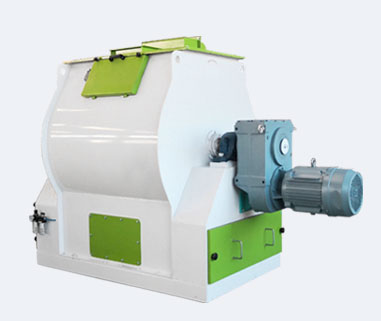
Mixer
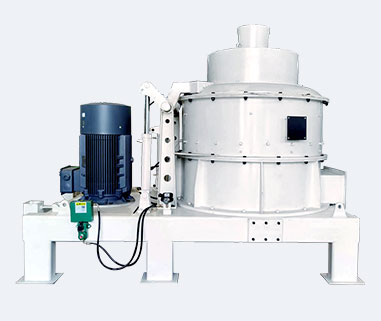
Ultrafine Grinder
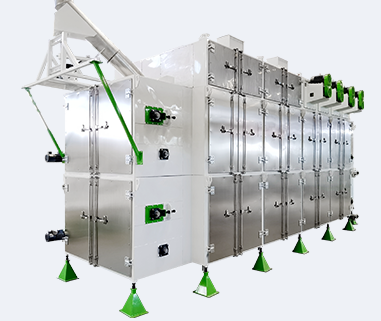
Dryer
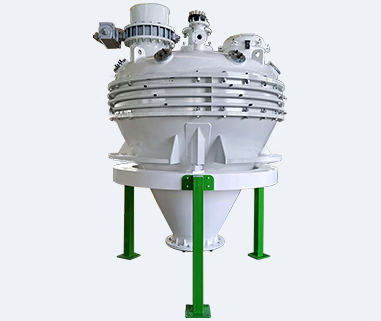
Spray

Cooler

Packaging Equipment
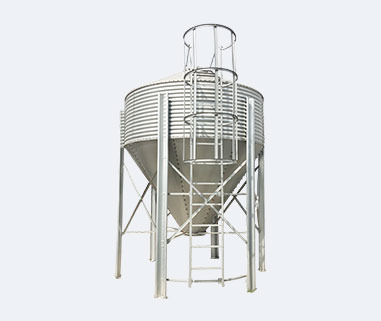
Silo
Fish Feed Extruder Application Real Cases
Whether in fish farms in Africa, fish feed processing plants in Southeast Asia, or professional feed mills in the Middle East and Europe, you can see our fish feed extruder working silently. Every project is the result of our joint efforts with our customers, and also a testament to our mutual trust.
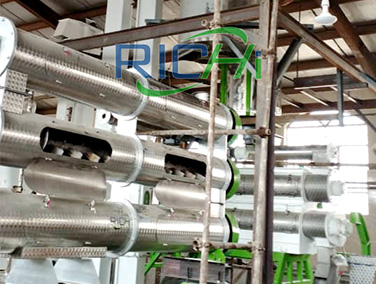
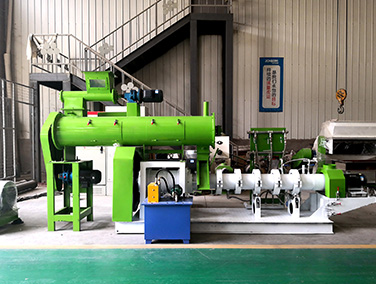
Iran
Iran – Wet Type Fish Feed Extruder
This project uses a wet extruder with a capacity of 1,000 kg/h.
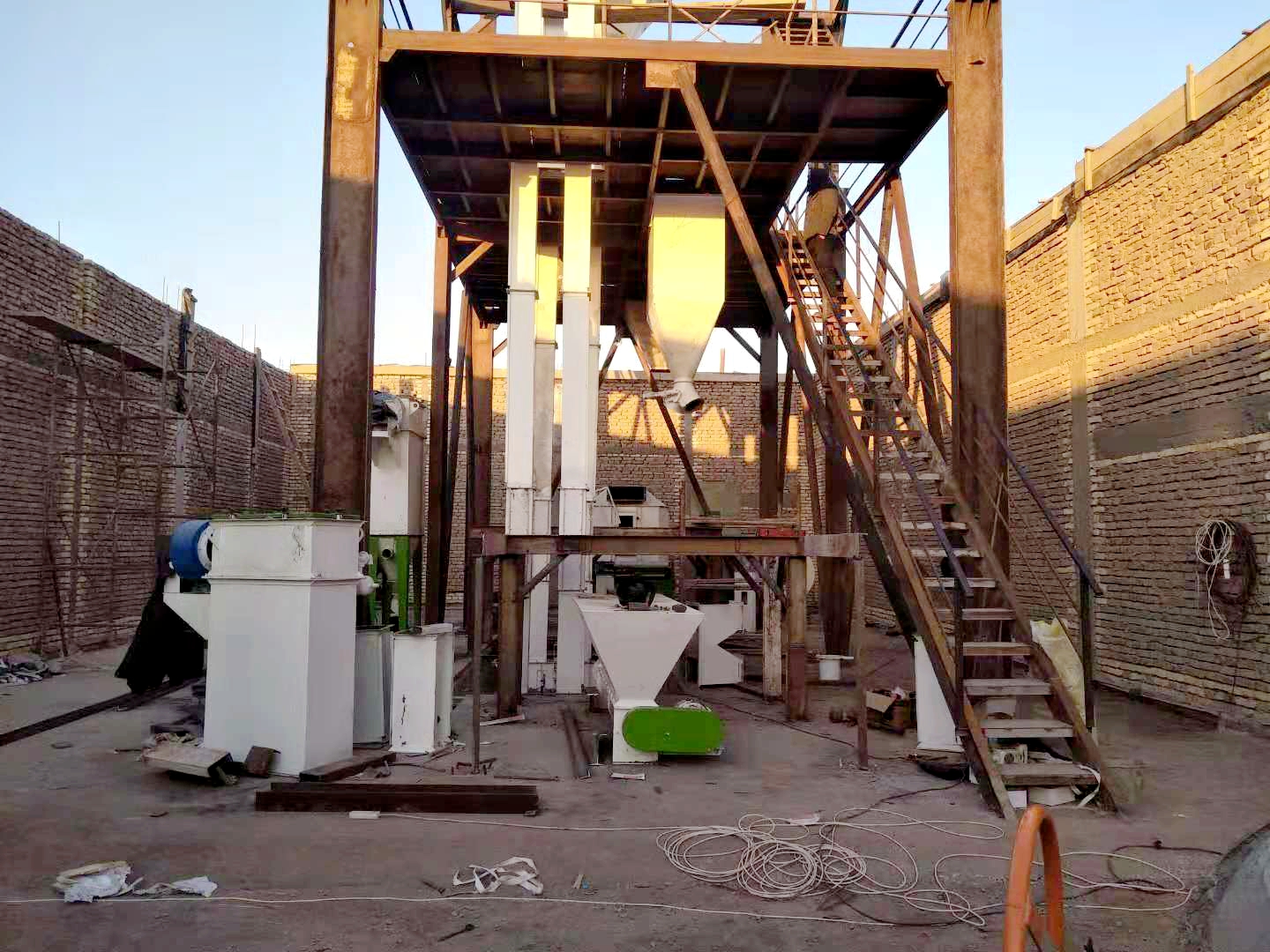
Ghana
Ghana – Wet Type Fish Feed Extruder
This project uses a wet extruder with a capacity of 800 kg/h.
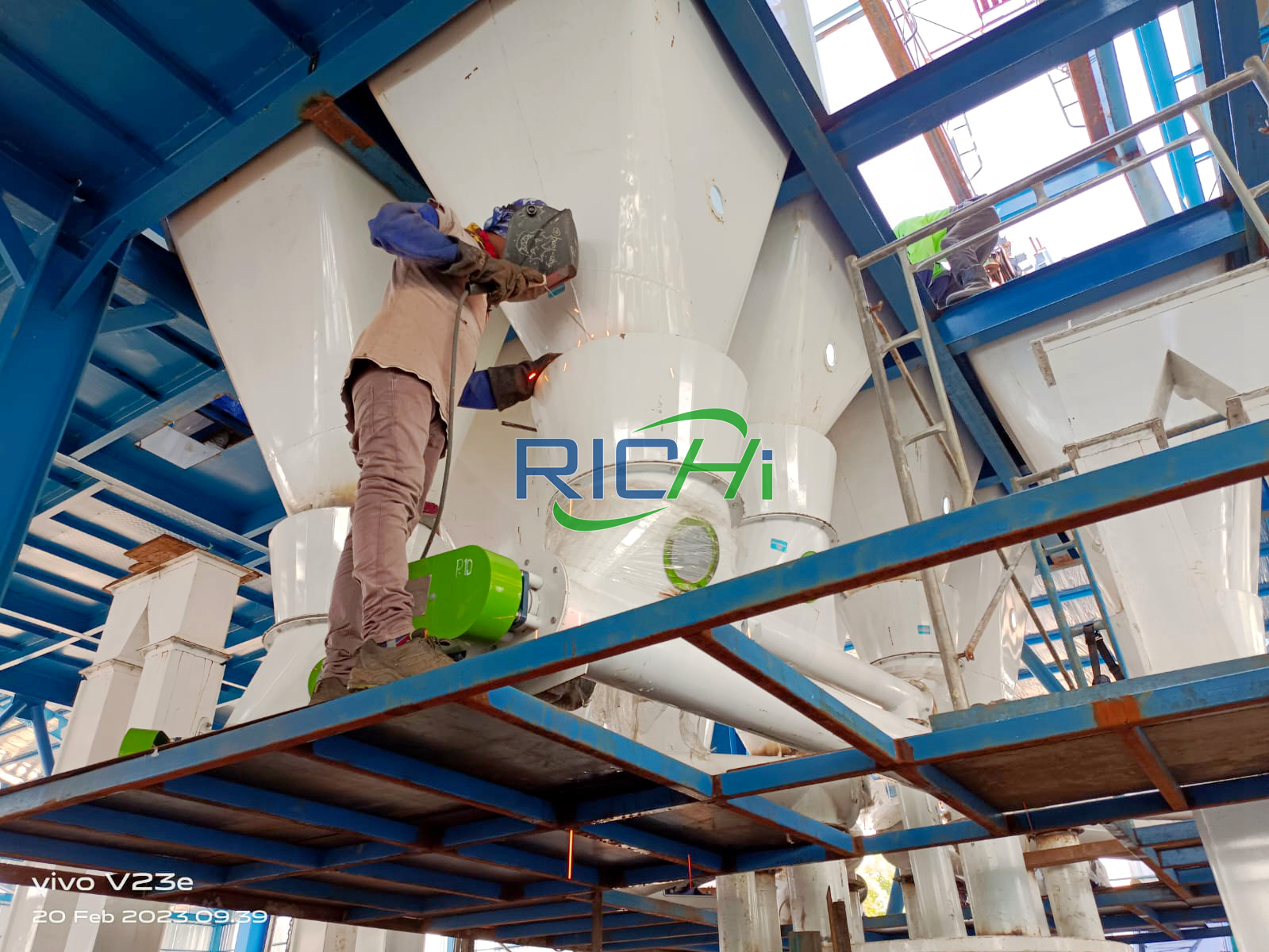
Bangladesh
Bangladesh – Wet Type Fish Feed Extruder
This project uses a wet extruder with a capacity of 500 kg/h.
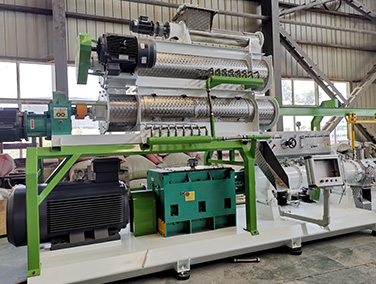
Indonesia
Indonesia – Wet Type Floating Fish Feed Extruder
This project uses a wet extruder with a capacity of 1t/h.
Russia
Russia – Wet Fish Feed Extruder
This project uses a wet extruder with a capacity of 2 – 3t/h.
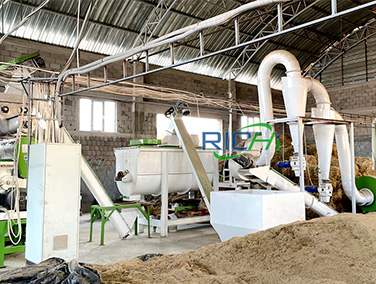
USA
USA – Floating Fish Feed Extruder Machine
This project uses a twin-screw wet extruder with a capacity of 2,000 kg/h.
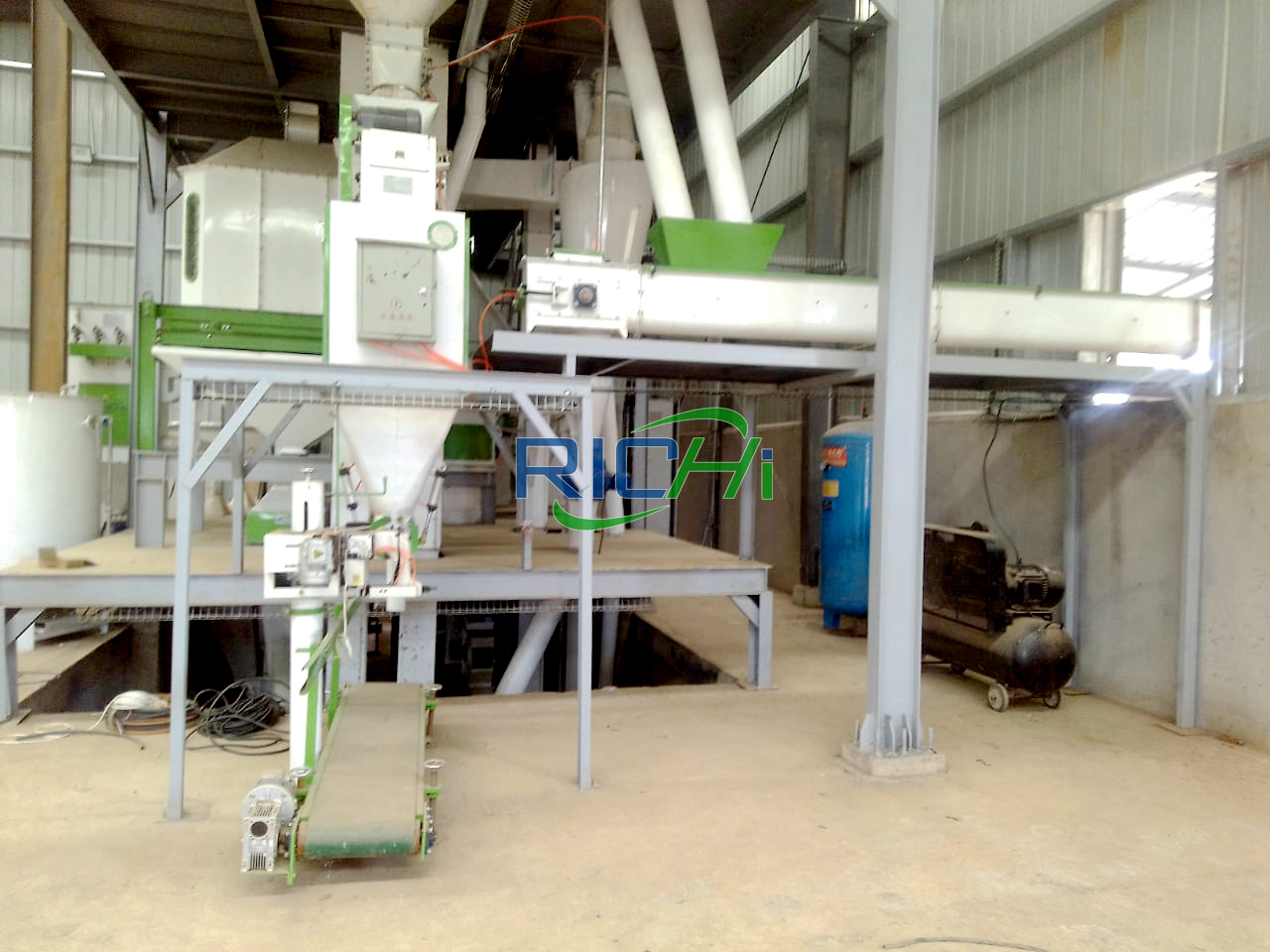
Germany
Germany – Wet Type Feed Extruder for Sale
This project uses a wet extruder with a capacity of 1,500 kg/h.
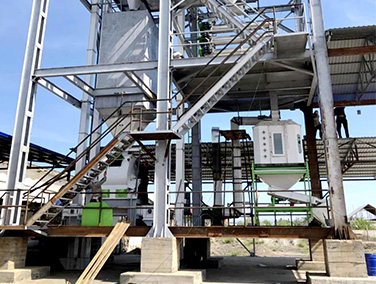
Kyrgyzstan
Kazakhstan – Wet Extruder Machine
This project uses a wet extruder with a capacity of 4t/h.
ABOUT RICH MACHINERY
—— A Professional and Leading Manufacturer of Fish Feed Equipment
We always puts customers first and are committed to providing advanced and efficient production solutions. So far, our equipment and services have reached over 140 countries, helping more than 1,000 projects to land successfully, and winning trust and support from clients worldwide.
Whether you need sinking feed or floating feed, from ultra-fine particles to large pellets, our extrusion processing system can flexibly meet all your needs. We offer:
Consulting and Engineering Planning

We will talk with you to get your production needs and targets, and then, our experienced engineers will take over. They will design a customized, efficient, advanced factory building solution suitable for your future development.
Project Management Support

From initial design and planning to the later equipment installation, commissioning, and after-sales maintenance, we follow up the whole process. Ensure the entire project runs smoothly and finishes on time.
One-Stop Turnkey Project

Our services for fish feed mill construction cover the entire process, from raw material input to finished product packaging. You just need to “turn the key” and start production.
FAQ ABOUT TWIN SCREW EXTRUDER
If you have any questions about twin screw extruders or feed production, you can first take a look at these answers.
1. Can a twin screw extruder be used to make cattle and sheep feed?
+
Of course, in addition to producing aquatic feed pellets and pet feed, twin screw extruder can also be used to produce cattle feed pellets, sheep feed pellets, and other animal feed pellets. However, if you want to produce cattle feed pellets, sheep feed pellets, and other poultry feed pellets, we recommend using a feed pellet mill, as this is more cost-effective.
For example, if a 55kW twin-screw extruder is used to produce cattle feed pellets, sheep feed pellets, etc., the output is 500 kg. If a feed pellet mill is used to produce animal feed pellets, it can produce 1 ton of feed pellets per hour, while the feed pellet mill’s output is less than 200,000 kg. Therefore, using a feed pellet mill to produce cattle feed pellets and sheep feed pellets is more cost-effective than using a twin-screw extruder.
2. What raw materials can a twin screw extruder process?
+
Cereals, such as corn, wheat and rice, can become the basic raw materials for feed or food processing after treatment; Beans are no exception. Raw materials rich in protein, such as soybeans and peas, can be converted into more easily absorbed forms through its processing. In addition, all kinds of oilseed cakes, such as soybean meal and cottonseed meal, can make rational use of their nutrients and reduce waste after treatment.
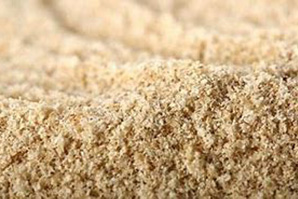
For aquatic feed, fish meal, meat and bone meal and other animal protein raw materials can also be fully blended with other raw materials in the twin screw extruder to make nutritionally balanced granules. Even some plant fiber raw materials, such as straw powder, bran, etc., can be efficiently processed by it under a proper proportion, so that the resources with low utilization rate can play a greater role.
Whether it is a single raw material or a variety of mixed raw materials, as long as they are properly blended, the twin screw extruder can transform them into products that meet the needs by virtue of its strong shearing, mixing and plasticizing capabilities.
3. Is there any difference in taste and nutrition between the feed produced by twin-screw extruder and the feed produced by ordinary granulator?
+
In fact, the feed made by these two devices is still different. During processing, the twin-screw extruder will make the starch in the raw material fully gelatinized and protein denatured more thoroughly through high temperature, high pressure and strong shearing, so the finished product particles are loose, and will gradually soften after entering the water, making it easier for animals to chew.
In contrast, the grains made by ordinary granulators are more compact and sometimes have hard cores. Besides, in terms of nutrition, twin-screw processing can also destroy the anti-nutritional factors in raw materials and make protein and vitamins more easily absorbed by animals, so it is especially suitable for young animals or aquatic animals with weak digestive ability.
4. Is twin-screw extruder suitable for small farms?
+
Whether to choose twin-screw extruder depends on your breeding scale and demand. If you are a small farm and you don’t use much materials every month (for example, a few tons to a dozen tons), a small pelletizer with high cost performance may be enough. Because the initial investment of twin screw extruder will be higher, and it is more suitable for batch and continuous production.
However, if you plan to make high-quality special feed, such as juvenile fish feed or high-end feed for pets, or have plans to expand the scale in the future, the versatility and production efficiency of the twin screw extruder will show great advantages and be more cost-effective in the long run.
5. What should be paid attention to in daily maintenance of twin screw extruder?
+
Daily maintenance is actually not that complicated, just pay attention to a few places.
First, clean up the residual raw materials in the screw and barrel regularly to avoid the influence of caking and deterioration on the next production; The second is to check the amount of lubricating oil in the transmission system, keep the parts lubricated and reduce wear; Third, pay attention to the sharpness of the cutter, and replace or polish it in time when the cutting particles are irregular; Fourth, regularly check the accuracy of the temperature control system to avoid the decline of feed quality due to abnormal temperature. Doing these basic maintenance well can prolong the service life of equipment and reduce the downtime.
6. Why is extruded feed loved by farmers?
+
Squeezing aquatic feed has many outstanding advantages. First of all, it has good water resistance. Qualified products can still keep their original shape after floating or soaking in water for 12 hours, which not only reduces waste, but also avoids water pollution.
Secondly, it is more digestible. During the processing, the raw materials are subjected to strong shearing and high temperature and high pressure treatment, which will cause physical changes such as denaturation of starch and protein, which can make these nutrients more easily digested and absorbed by aquatic animals and improve the utilization efficiency of feed.
In addition, this kind of feed has higher maturity and better palatability. The puffed finished product has a porous texture and a uniform structure. These two characteristics make it soften slowly after entering the water, without hard core, which is more in line with the eating habits of aquatic animals and can make them eat more smoothly.
7. I’m looking at equipment and have come across ‘extruders’ and ‘pellet mills.’ Could you please explain the difference between them?
+
Both twin screw extruders and feed pellet mills can be used to produce aquatic feed pellets, but they differ significantly:
Raw material adaptability differs. Twin screw extruders can process raw materials with high oil and water content, while pellet mills are typically suitable for dry raw materials.
Pellet types differ. Twin-screw extruders can produce floating, sinking, and slow-sinking feed pellets. Feed pellet mills are generally only suitable for producing sinking feed pellets.
Working principles differ. Twin screw extruders use an extrusion principle, while pellet mills work on the principle of compression molding.